
Activities
Private hill country hunting at Tower Hill, one group per night
Hard country, honest hunting. One group per night, from $192.50 per hunter, first night. Licensed, insured hunters can book a night on about 900 acres of steep highland country and help us protect our pasture and young trees.

What you're in for

This isn't flat paddock shooting. The country is mixed: steep hills, undulating ground and flats, with native forest and plantation forest, at about 560 to 800 m, under Tower Hill (about 1,118 m), with plenty of rough tracks and more being cut soon. You'll find creeks, rocks and scrub, and gullies that'll test your legs. Hunting is by booking, in season. Fallow deer are found in this area, alongside plenty of wallabies and pest species, but numbers vary and deer can't be guaranteed. Nights get cold and the weather can turn quickly, so come self-sufficient: a 4WD or high clearance vehicle, good boots, warm gear, and all your own food, water and camp kit. Phone coverage is patchy, which is why we ask every group to bring a UHF CB radio.

Why we control browsing animals

Wallabies, pademelons, possums and deer put heavy browsing pressure on our pasture and the young trees we've planted. We're trying to rest paddocks between grazings so the grass can grow, roots go deeper and plants can self-seed. Constant wildlife browsing stops that rotational grazing from working, and we need it to build our soils. We've put up exclusion fencing to keep them out where we can (see the farm), and careful, humane control does the rest. It also helps protect native species, by leaving room for the bush and shelterbelts to grow back.
Price

Per night

Hunting is from $192.50 per hunter, first night ($385 for the night, covering up to 2 shooters). Each night after that gets cheaper: night 2 is $275, night 3 is $220, night 4 is $165, and from night 5 onwards it's 20% off, so $132 a night. Camping only is $110 a night. See the price table below.
Licensed and insured

Only licensed and insured hunters can book. All shooters need a current firearms licence and public liability insurance, for example through SSAA membership or your own policy. Shooters aged 14 to 17 must hold a Tasmanian minor's permit for field shooting and be directly supervised by an insured adult who has held a full firearms licence for at least a year. No under-14s in the field.
No shooting within 125 m of any dwelling unless agreed otherwise with us in writing beforehand. A game licence is also needed if you take wallaby or deer off the property (carcasses, meat, skins or trophies). If you plan to take a possum off the property, check with NRE Tasmania whether you need a game licence first. Licence and insurance details are given when you book, and the documents must be shown on arrival.
Site induction
Everyone does a site induction before hunting, so you know the boundaries, the safe shooting areas and where the stock and people are. Booked hunters visit by appointment, and we'll schedule a site induction for when you arrive.
Hunting and camping prices (all prices include GST)
| Per night | |
|---|---|
| Base Rate (hunting, up to 2 shooters) | |
| Night 1 | $385 (from $192.50 per hunter) |
| Night 2 | $275 |
| Night 3 | $220 |
| Night 4 and later | $165 |
| Night 5 onwards: 20% off the base rate | $132 for up to 2 hunters, extras $44 per adult and $17.60 per minor |
| Each extra adult shooter, 3rd and up (up to 8 shooters) | $55 ($44 from night 5) |
| Youth shooter aged 14 to 17, with their parent or guardian | $22 ($17.60 from night 5) |
| Kids and non-shooting adults | Free |
| Camping only (no shooting), whole group | $110 ($88 from 5 nights in a row) |
20% off from night 5 onwards. The discount only kicks in from your 5th night. Nights 1 to 4 are always full price, so it never comes off the whole booking. Each run of nights in a row starts again at night 1. For up to 2 shooters: 1 night $385, 2 nights $660, 3 nights $880, 4 nights $1,045, 5 nights $1,177, 6 nights $1,309. Extra adult shooters ($44) and youth shooters ($17.60) get the same 20% off from night 5. Camping only stays at book 4 nights in a row, get the 5th free ($88 a night from 5 nights in a row).
- You won't share the property with any other guests: we take one group per night.
- Max 8 shooters, 10 guests per group, plus up to 4 children under 5. Up to 4 vehicles per group (e.g. 2 towing vehicles + 2 UTVs/ATVs, BYO). Caravans welcome. Some camping areas aren't caravan-accessible, so let us know when booking and we'll point you to a suitable site. Camping only: up to 10 adults and adolescents, plus up to 4 children under 5 (free).
- 2-night minimum in buck season (late February to early April).
- Weekend nights (Friday or Saturday) need a minimum 2-night stay. Single nights are Sunday to Thursday only.
- Shooters need a current licence and insurance. Youth shooters need the firearms authority for minors and must be directly supervised by a licensed adult.
- Full payment at booking. If you cancel more than 7 days before your booked date, we'll refund you within a week, less a cancellation fee of $55 plus 2.2% of the booking total. If you cancel within 7 days of your booking start date, or don't turn up, there's no change-of-mind refund. This doesn't affect your rights under the Australian Consumer Law, or a refund or new date if we cancel.
Non-shooting adults (spotters, partners) and kids who aren't shooting stay free. They count toward the 10-guest group limit, sign the waiver and attend the induction. Anyone who handles or fires a firearm is a shooter and needs their own licence and insurance.
During buck season (late February to early April) there's a 2-night minimum stay. Exact dates follow the official Tasmanian season.
Three steps to your night

- Book your night. Pick a free night below and send us your group's details.
- Complete the site induction. We run through the boundaries, safe shooting areas, stock and camp spots before anyone heads out.
- Hunt. Camp, shoot from your induction until check-out by 1 pm on the day you leave, and let us know how you went.
Paperwork and licences
All hunting operates under relevant Tasmanian regulations. Every shooter needs a valid firearms licence held for hunting or vermin control.
Fallow deer hunting is by booking, in season.
- Game licence: only needed if you take wallaby or deer off the property (carcasses, meat, skins or trophies).
- Possums: for your own personal use only.
- Nothing taken here may be sold.
- Ducks and brown quail: you need your own Tasmanian game licence, and must follow their open seasons and bag limits.
- Rabbits and other pests: no game licence needed.
- Bring your original licences to the induction. Category A or B firearms licences from other Australian states and territories are accepted. Overseas visitors need a police exemption to use a firearm in Tasmania, so apply early.
Each hunter needs their own current firearms licence.
Rabbits and other feral animals are a big problem for the pasture too, and may also be controlled.
Before you arrive
- Bring your original licences (firearms, plus game licence if you're taking game). We'll sight them at induction before any hunting starts.
- Proof of current public liability insurance, for example an SSAA membership card (join SSAA). We'll sight it at induction along with your licences.
- A UHF CB radio (handheld or vehicle).
It's about protecting the pasture, the crops and the young trees we've planted. We ask everyone to hunt humanely: positive target identification every time, clean shots, and respect for the land, the stock and the other people on the farm.
What you can hunt

Licensed game species

Fallow deer are found in this area, alongside plenty of wallabies and pest species. Numbers vary, so deer can't be guaranteed.
Game ducks and brown quail are allowed game in their open seasons, with the right game licence. Ducks are occasional visitors, not guaranteed.
Stubble quail are protected. Only brown quail may be taken, in season.
Know your waterbirds. Swans, musk ducks, freckled ducks and swamphens are protected, so if you aren't certain, don't shoot.
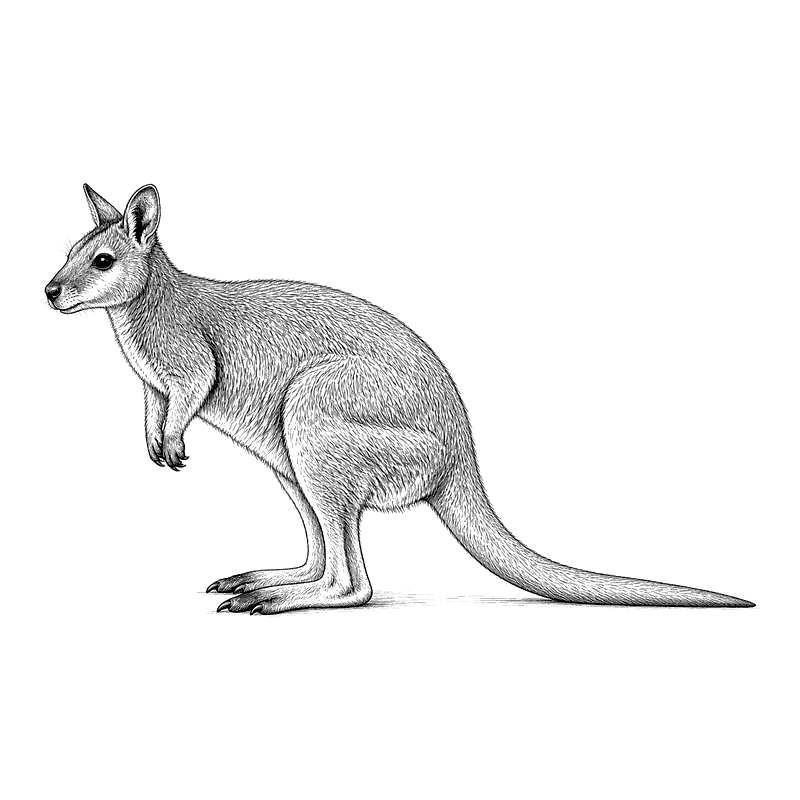
Red-necked wallaby
Allowed
Identify every macropod carefully at night. Only take the species covered at your induction.
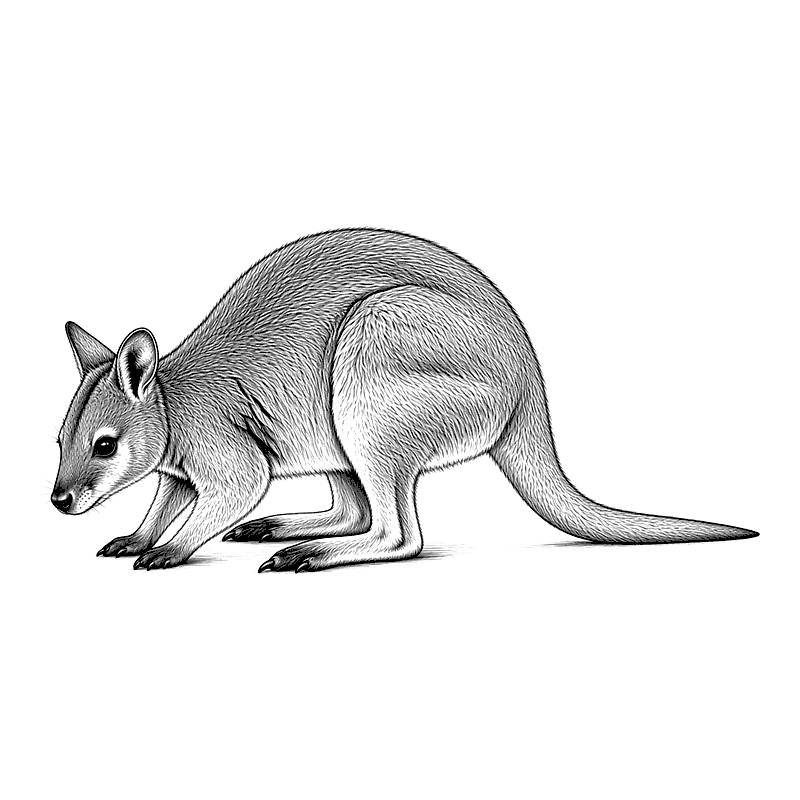
Tasmanian pademelon
Allowed
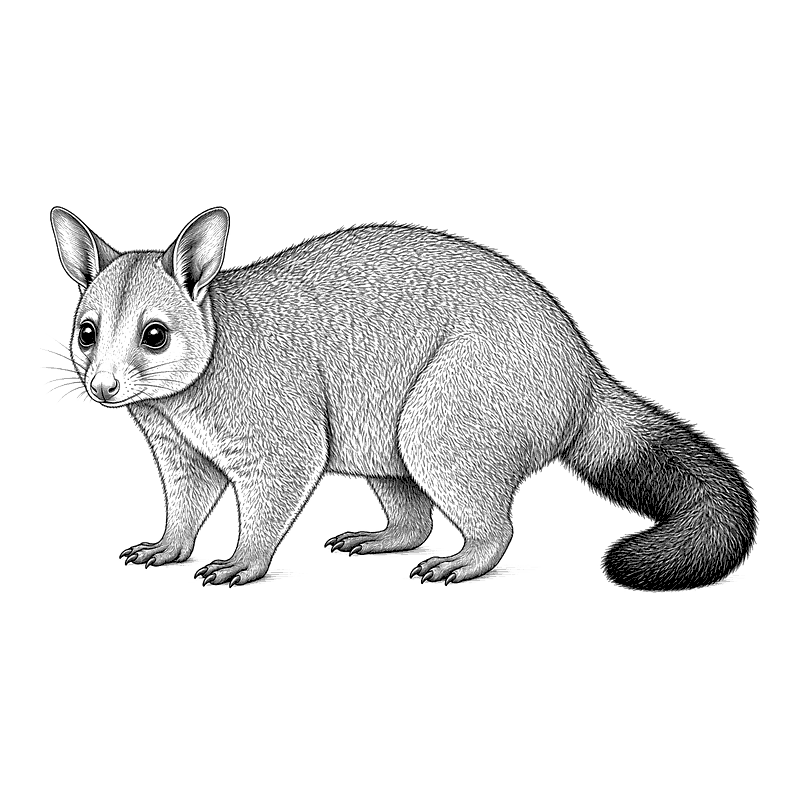
Tasmanian brushtail possum
Allowed
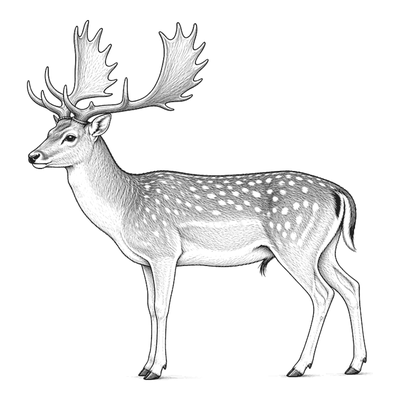
Fallow deer
Allowed

Game birds in season
Game licence, in season
Licensed hunters may take the five game duck species (black duck, grey teal, chestnut teal, mountain duck, wood duck) and brown quail during their open seasons, within bag limits. Shotguns only, and non-lead shot near water. Never shoot our free-range geese, chickens or guinea fowl. Positively identify every bird before you fire.
Ducks and brown quail are available in their open seasons only. You need your own current Tasmanian duck or brown quail licence and must follow the season, bag and shotgun rules.
A duck licence needs the Waterfowl Identification Test. Check the NRE Tas open seasons before you come.


Feral and pest species
No game licence needed. You still need your firearms licence and our written permission, and all our shooting rules apply.
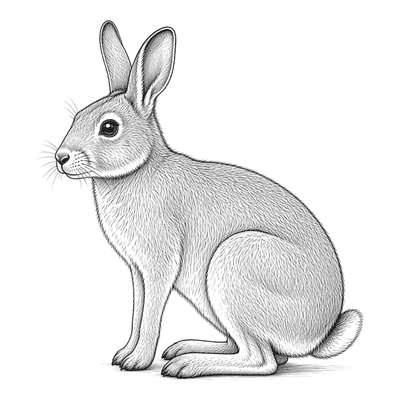
European rabbit
Feral / pest
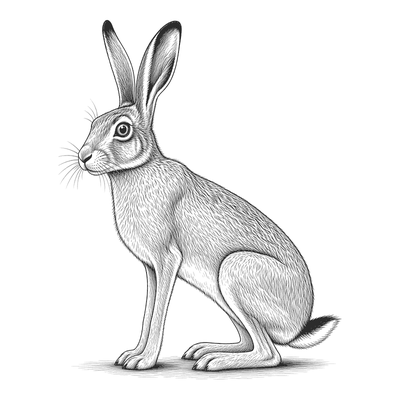
Hare
Feral / pest
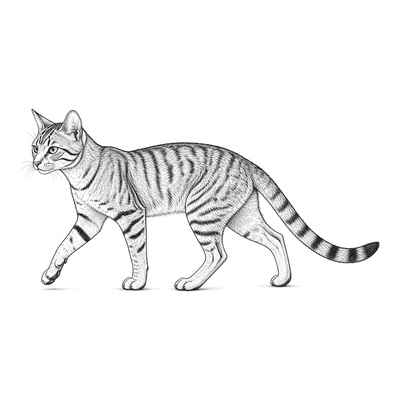
Feral cat
Feral / pest
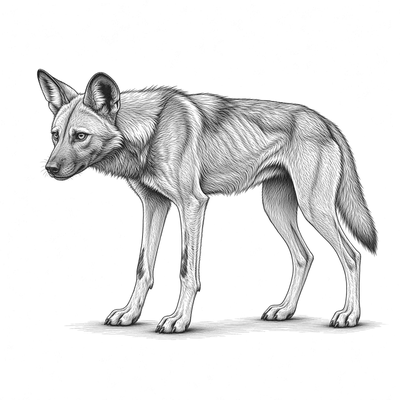
Feral dog
Feral / pest
If you shoot a dog, tell us straight away and bring us any collar or tag, so we can notify the council as the law requires.


Do not shoot
Many animals on this farm are protected by Tasmanian law, and some are threatened. Never shoot them. Identify every animal before you fire, and if in doubt, don't shoot.
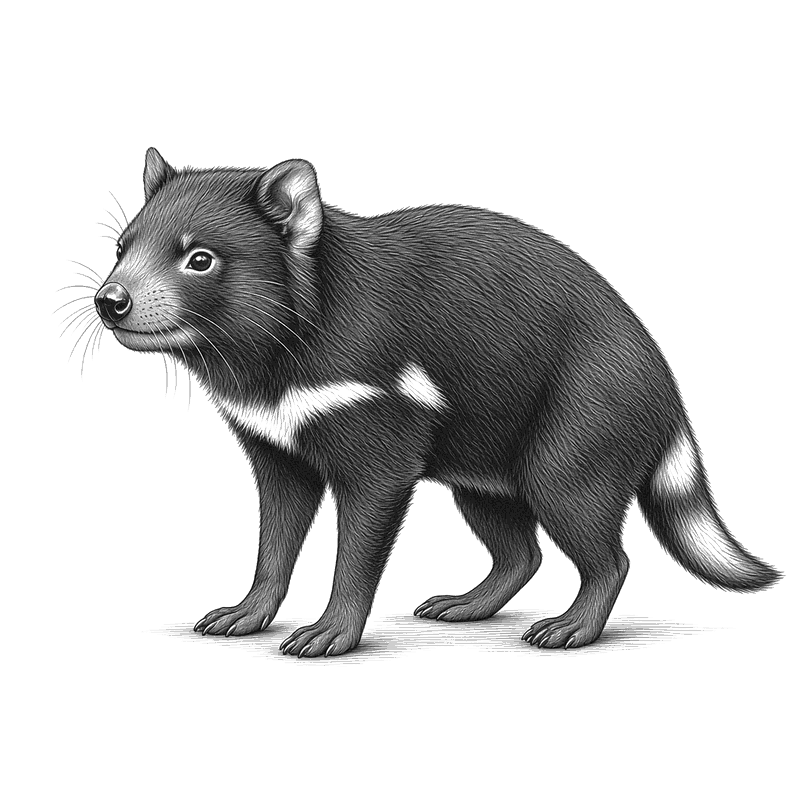
Tasmanian devil
Protected, do not shoot
Stocky and black, often a white chest band, short thick tail; loud screeching at night. Specially protected and endangered.
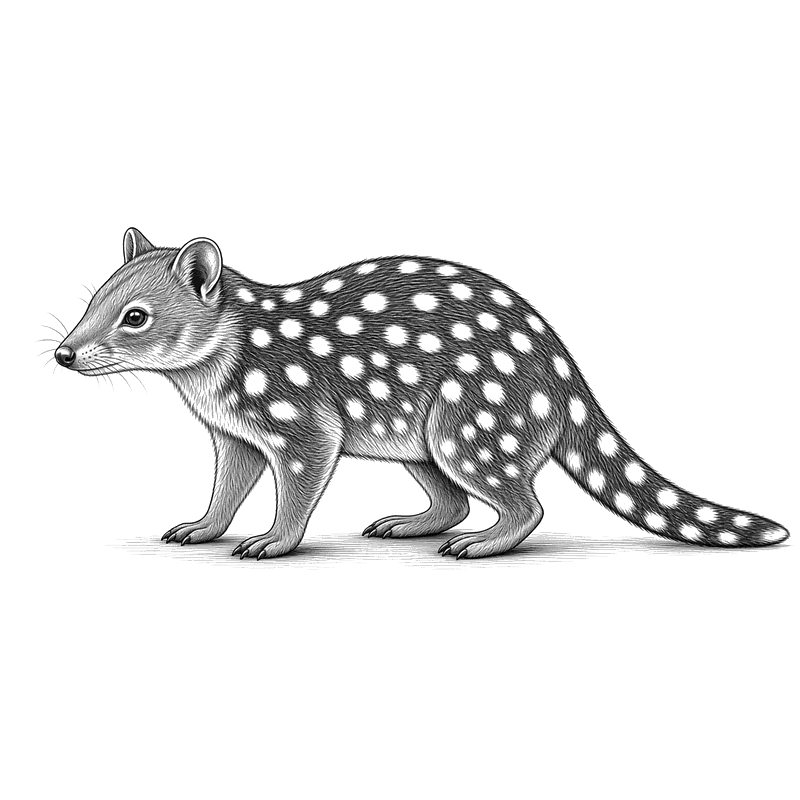
Spotted-tailed quoll
Protected, do not shoot
Cat-sized, rich brown with white spots on the body and the tail; out at night. Specially protected and rare.
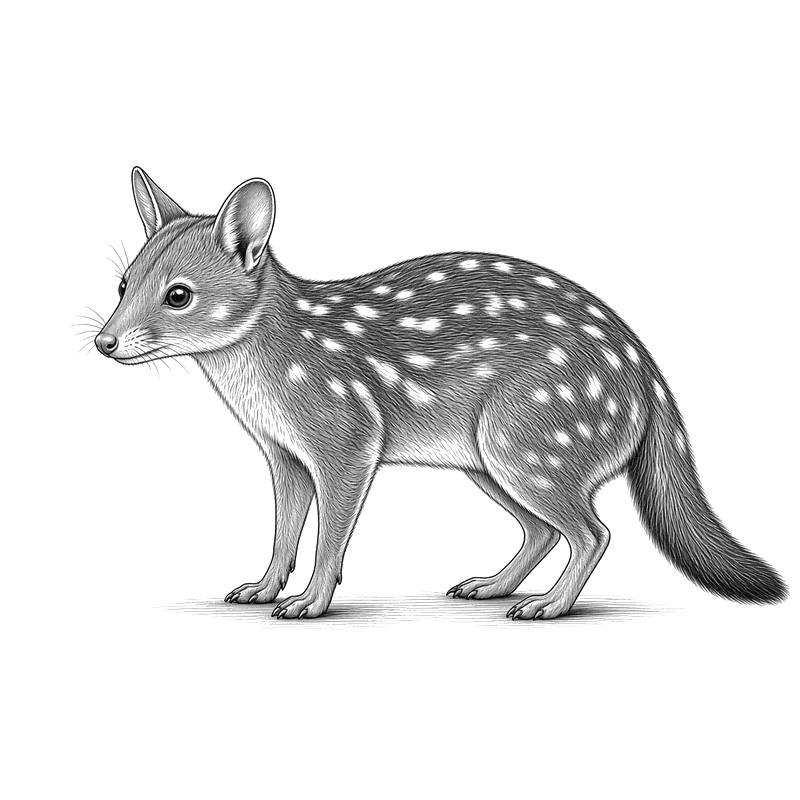
Eastern quoll
Protected, do not shoot
Smaller, fawn or black, white spots on the body but a plain, spotless tail; out at night. Protected.
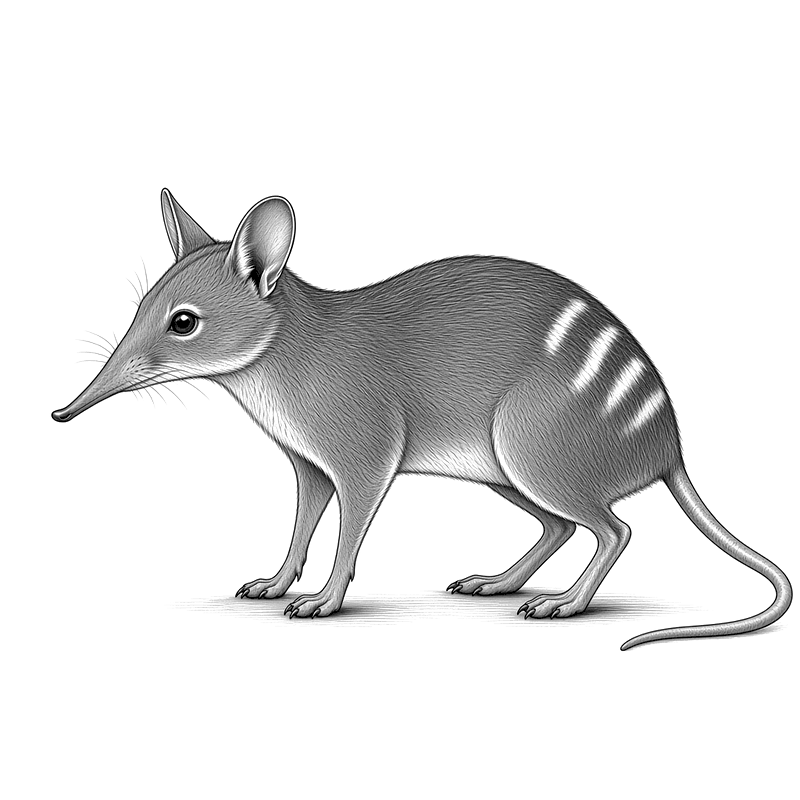
Eastern barred bandicoot
Protected, do not shoot
Small, with a long pointed snout, big ears and pale bars across the rump; out at night. Specially protected.
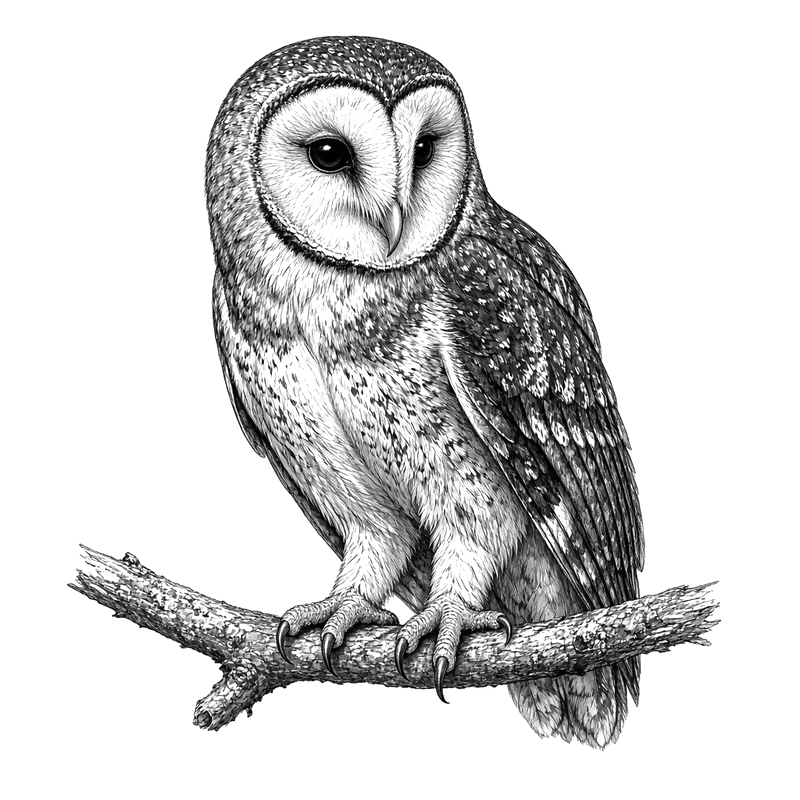
Masked owl
Protected, do not shoot
Large owl with a pale heart-shaped face ringed in dark, and heavy feathered legs; hunts at night. Specially protected and endangered.
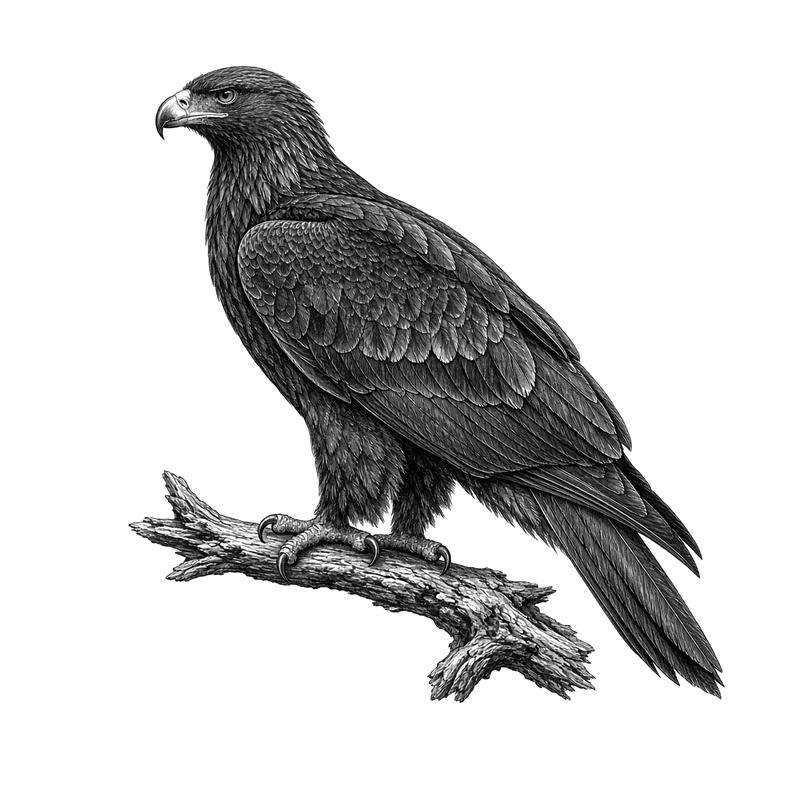
Wedge-tailed eagle
Protected, do not shoot
Huge dark eagle with a long wedge-shaped tail and feathered legs, often soaring over Tower Hill. Specially protected and endangered.
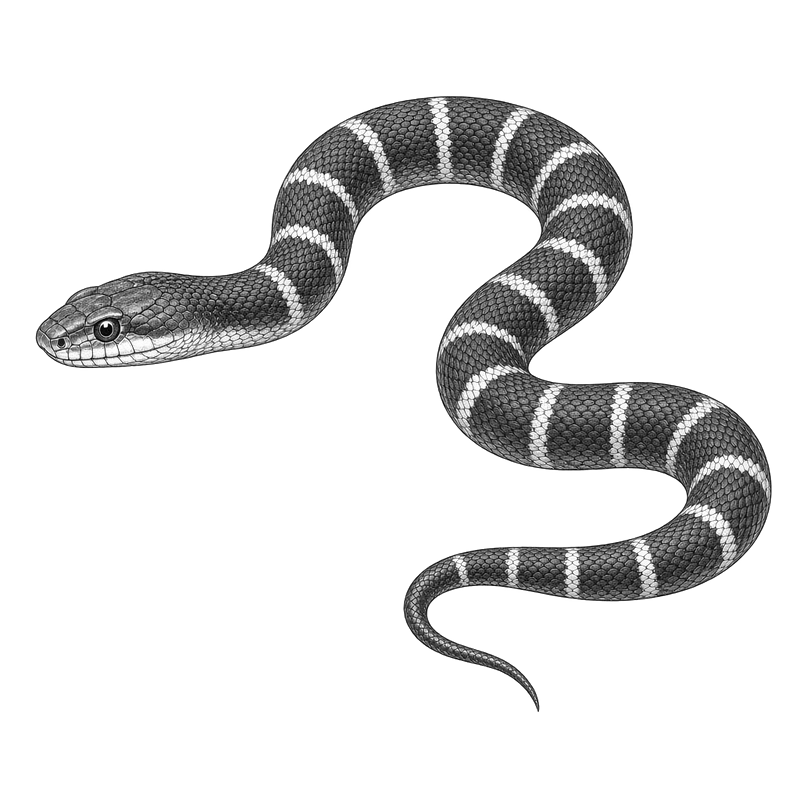
Tiger snake
Protected, do not shoot
Banded or plain, black to olive, brown or grey, with a heavy body and broad head. Protected.
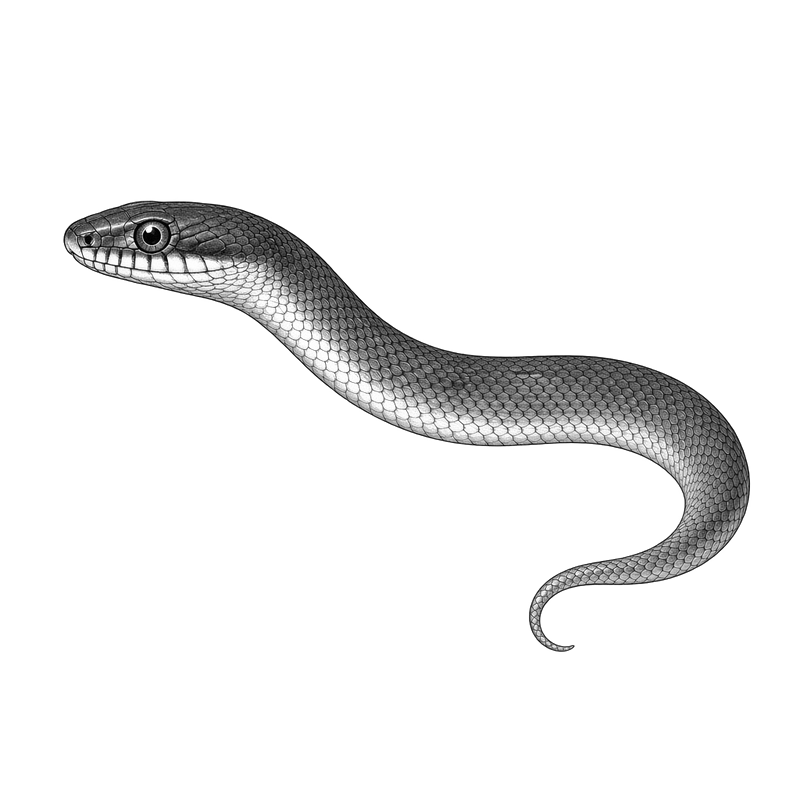
Lowland copperhead
Protected, do not shoot
Coppery, brown or dark body with pale, cream-edged lip scales, often near water. Protected.
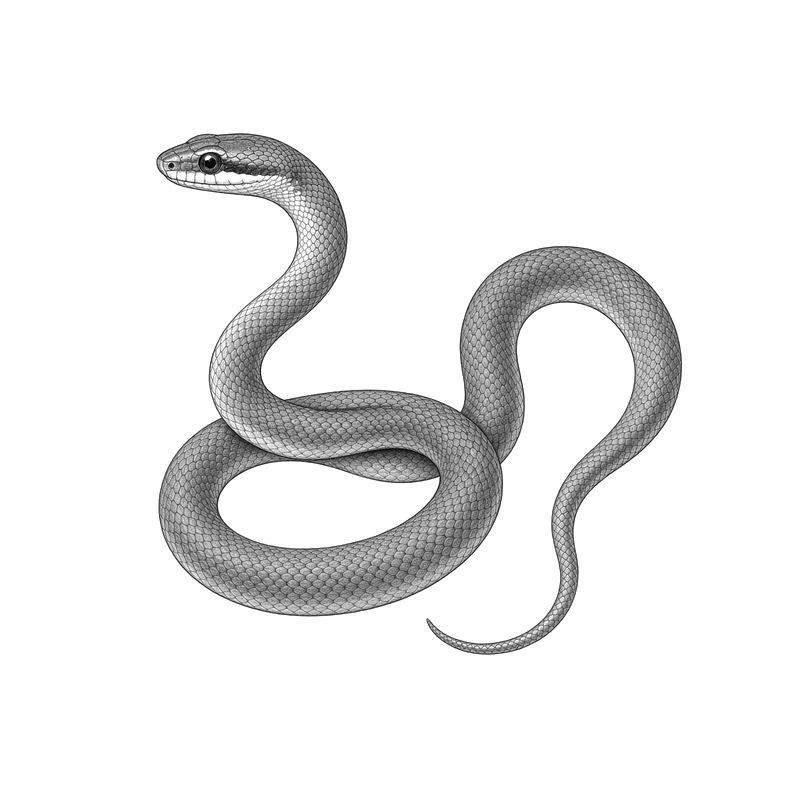
White-lipped snake
Protected, do not shoot
Small and slender, with a thin white stripe along the lip; olive, grey or brown. Protected.
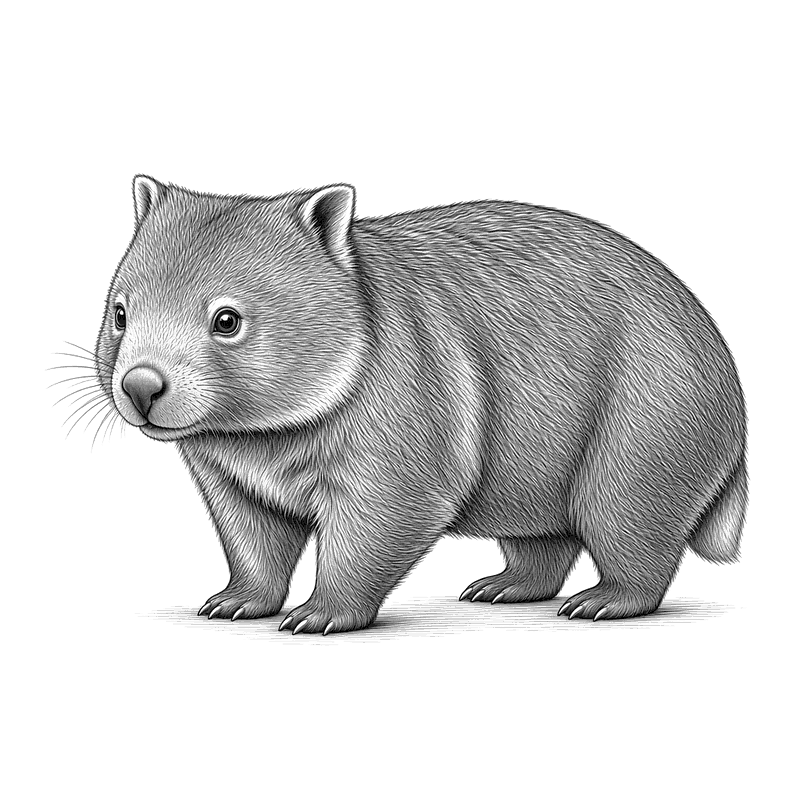
Wombat
Protected, do not shoot
Protected.
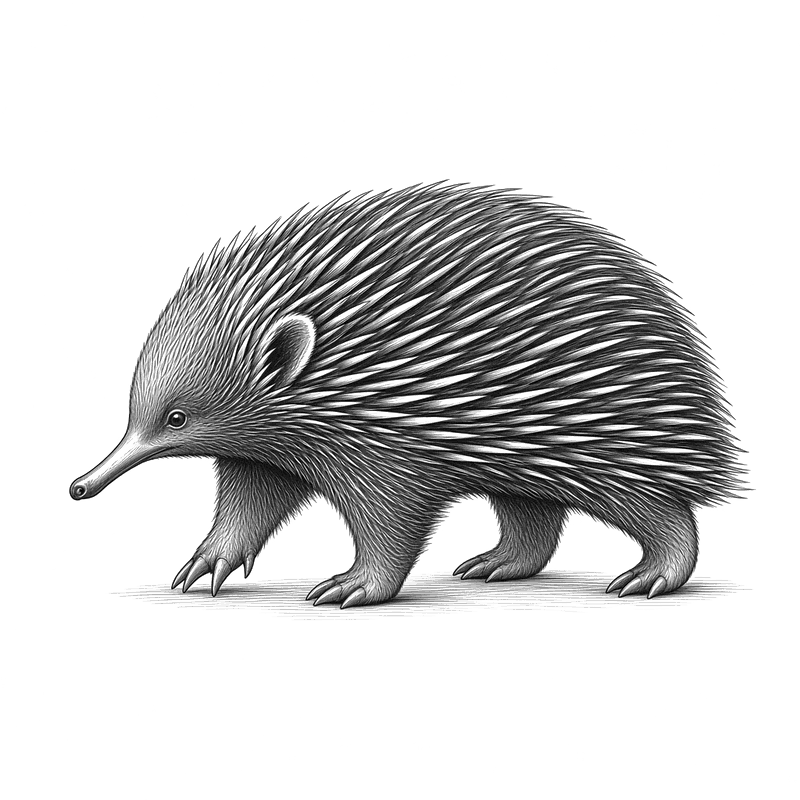
Echidna
Protected, do not shoot
Protected.

Platypus
Protected, do not shoot
Protected.
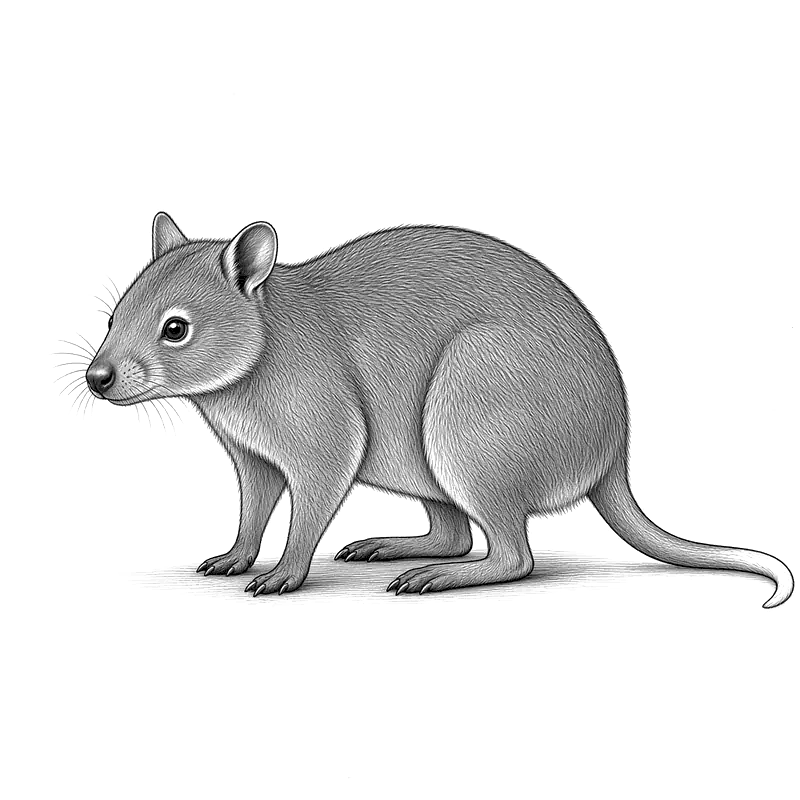
Tasmanian bettong
Protected, do not shoot
Protected. Easily mistaken for a small wallaby or rabbit at night, so positively identify before you shoot.
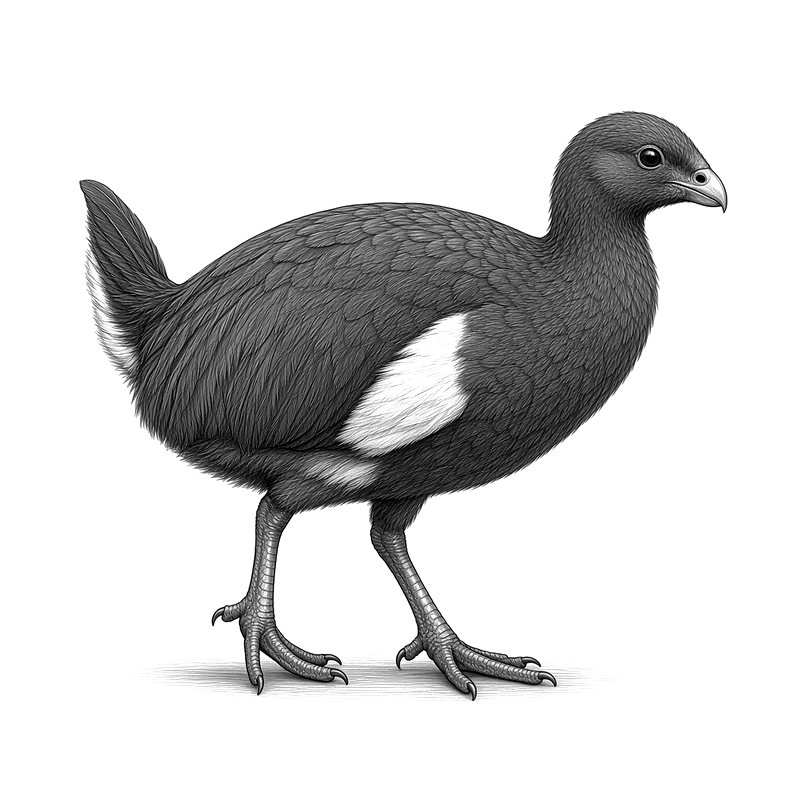
Tasmanian native hen and all other birds
Protected, do not shoot
Protected, apart from game species in season with the right game licence.
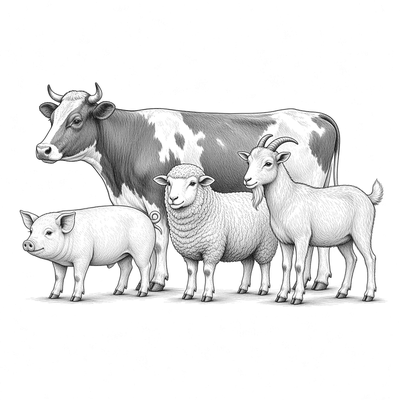
Livestock, poultry and farm dogs
Pigs, cattle, sheep and goats, our free-range chickens, geese and guinea fowl, and our working and pet dogs. Know your target.
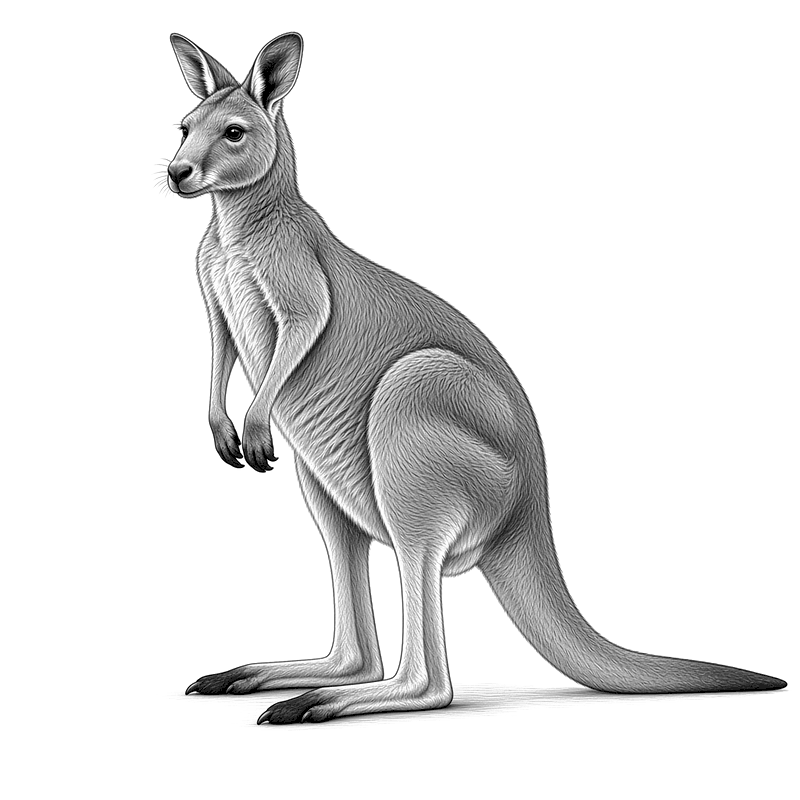
Forester kangaroo
Large, grey-brown kangaroo with a pale belly. Tasmania's only kangaroo, much bigger than a wallaby.
Limited take, usually kept for the farm.


Illustrations, not photos.

What's allowed
- Night shooting is allowed, including spotlighting, thermal and night vision, since many browsing animals feed at night. Shooting is allowed 24/7 during your booking. Take extra care with identification in the dark.
- Identify every animal before you shoot. Protected wildlife lives here, including bettongs, wombats, native hens, quolls and wedge-tailed eagles. See who else lives on the farm.
- Quads and UTVs are allowed for getting around the farm.
Simple rules

We keep the rules simple:
- Working farm. Staff and contractors may be on site from time to time, so always positively identify your target and what's beyond it, and treat any vehicle or person as present.
- UHF CB radio. Bring a UHF CB radio (handheld or vehicle), so we can contact you and you can contact us. Use the farm UHF channel (given at induction).
- Before the induction. No shooting, and firearms stay unloaded and cased until the induction is done. You can set up in the camp setup area only.
- Group lead. Every booking names a group lead, who attends the induction and is responsible for coordinating the group on site, including who is shooting where on the map.
- No alcohol or drugs while firearms are out.
- Hi-vis is recommended. We recommend hunters wear an orange vest or cap.
- Camping only? At induction we mark on the map any area where we'll be active. Stay out of it.
- Clean up after yourself. Take your rubbish home with you.
- Don't shoot livestock.
- No shooting snakes. They're protected wildlife.
- No shooting onto neighbouring State forest.
- No hunting near the eagle nest area from August to January; your guide will show you the boundary.
- Don't damage the seedlings or trees.
- Bring your own firewood, or add camper firewood when you book. Small quantities for campers, $55 incl GST, subject to availability. Larger loads of sustainable firewood are expected from winter 2028.
- Fire safety. Follow Total Fire Ban days and fire restrictions from the Tasmania Fire Service.
- No campfires during Total Fire Ban periods. Check the Tasmania Fire Service fire ban page before you light up.
- Clean dispatch. Every animal must be killed quickly and humanely. Only take shots you are confident will kill cleanly, and follow up and dispatch any wounded animal straight away. This includes humanely killing any dependent young.
- Remains and cartridges. Leave remains well away from creeks, dams, tracks and camping areas, and pick up all spent cartridges. Out in the scrub or pasture, remains feed our native scavengers, including wedge-tailed eagles and spotted-tailed and eastern quolls, then break down naturally and return to the soil.
- Ammunition. Lead-free ammunition is preferred but not compulsory, except ducks, where non-toxic shot is required by law.
Snake safety
Snakes are out in the warmer months. Read our snake safety and first aid notes before you come, and carry your compression bandage kit and UHF radio in the field, not back in the vehicle. No shooting snakes. They are protected.
The farm map
We'll go over the map with you at the site induction, including the boundaries, gates and no-shoot zones.

Farm gates remain closed and locked at all times. Your gate code is sent in your pre-arrival email. Lost it? Call or text 0449 575 905.
Why we charge for hunting
Most crop protection shooters charge the farm for their time, but we know recreational hunters in Tasmania often struggle to find land to hunt on. We'd rather make it a win/win. You get a choice of camping spots, no neighbours nearby, and one group per booking, so the property is just for your group that night. The fee covers our admin, insurance and the time we put into site inductions. We'll be honest too: UTVs, quads and shooting do change the peace and quiet here, and the fee helps balance that out. Putting a fair price on access also attracts hunters who respect the land, and keeps it exclusive. They're the people we love having back.
Terms and waiver
Your licence. Every hunter needs their own current Tasmanian firearms licence, and any game licence required for the species they're after.
Arriving. Check-in from 3 pm. Latest arrival for induction is 6 pm, as inductions must be finished by 6:30 pm. Running late? Call or text William on 0449 575 905.
Please read our hunting booking terms and hunting waiver (v1.4) (printable PDF).
Cancellation. If you cancel more than 7 days before your booked date, we'll refund you within a week, less a cancellation fee of $55 plus 2.2% of the booking total. If you cancel within 7 days of your booking start date, or don't turn up, there's no change-of-mind refund. This doesn't affect your rights under the Australian Consumer Law, or a refund or new date if we cancel.
Check dates and book Times, induction and the booking form are all on the booking page.
Guest vehicles
Bringing your own UTV, quad or 4WD? Good on you, the tracks are half the fun. A few simple rules keep everyone safe:
- Your vehicle must be registered or insured, and every driver must hold a current licence.
- Wear a helmet on a quad, and no passengers on a single-seat quad.
- No one under 16 drives.
- Stay on marked tracks and keep to 20 km/h on all farm tracks.
- Guests don't operate any farm machinery or farm vehicles.
Your guest waiver covers vehicle use. See the camping waiver or the hunting waiver.