The farm
Bringing Tower Hill back to life, one paddock at a time
A working regenerative farm at Tower Hill, in Tasmania's Fingal Valley.

Where we are
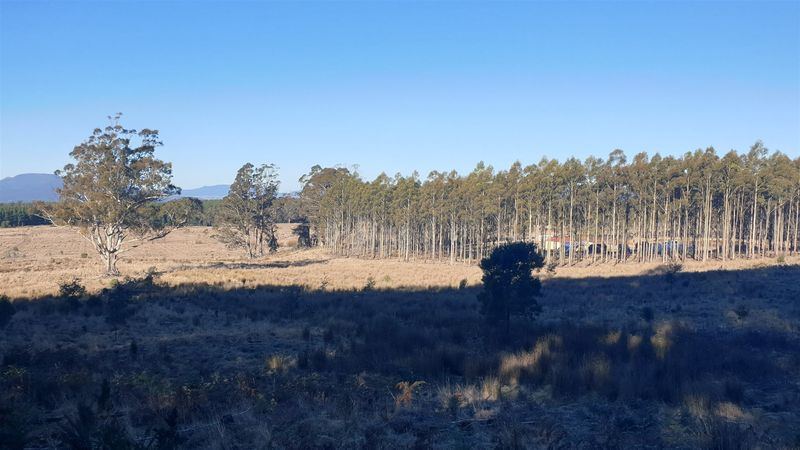
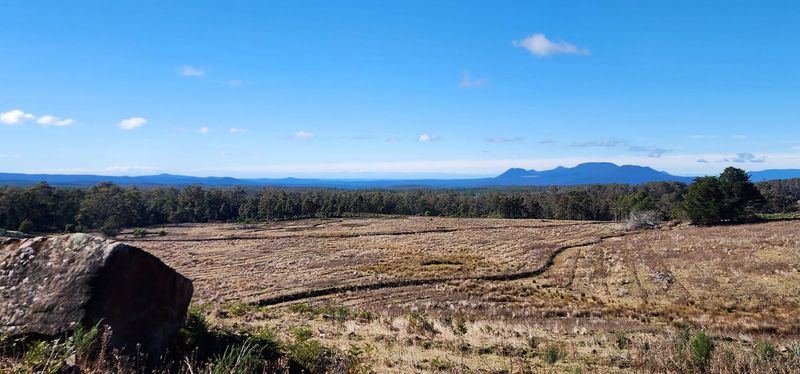
Our farm is on Tower Hill in Tasmania's Fingal Valley. When we arrived, it was a tired old dairy farm, worn down by years of plantation. Now it's a working regenerative farm across about 900 acres. We own our Pig Creek farm, and hold a 30-year lease on the adjoining Fonthill Farm. About half the farm is in the carbon silvopasture project run by Permagen.


Regenerative silvopasture
Silvopasture means trees, pasture and animals working together. About half the farm is in our carbon project with Permagen, and once the trees are established, our livestock will graze the grass under them. More about the carbon project.

The animals move through the paddocks, and the land gets a little healthier every season.

Our heritage pigs

Our pigs are free-range Wessex Saddleback heritage pigs, raised outdoors on pasture. They root, wallow, and generally cause mischief.
Pixie once jumped straight into the feed mix because she couldn't wait for lunch!
The rest of the crew

- Cattle: we started out with Angus. These days we mainly breed Dexters and Belfairs. Belfairs are our own Jersey x Dexter cross. We also keep a couple of Jerseys for our own milk, cream, butter and cheese.
- Sheep and mini goats
- Bees: William was a commercial beekeeper on the mainland before we moved here in 2019. We plan to run our own hives once our mixed species tree and silvopasture planting is flowering. Until then, we stock honey from other local beekeepers.
- Our 'grass puppies', the newest calves on the farm


Our farm's story
Want the long version? Read the history of Tower Hill and surrounds.
Our farm sits on what was once part of the old Tower Hill settlement. Today almost nothing of the township remains.
The Speers family worked this land for generations, from at least the early 1900s (family history says the late 1800s). For much of the 1900s it was a dairy farm, until milking stopped in the mid-1980s, and it also grew vegetables to supply the miners working nearby. The original hut still stands, and the house, said to have been brought over from Mathinna by horse and dray in the early 1900s, and as far as we know it's the last house from the old Tower Hill settlement still lived in. Generations of Speers farmed here, including Victor Speers, pictured on the farm with his horse and dog in the 1940s.


From the 1990s to the 2010s the farm was converted to a nitens (eucalyptus) plantation, which damaged the pastures and left stumps and stone everywhere. Today we are slowly clearing, restoring and regenerating the pastures, and we still use the old dairy to milk our Jerseys for our own butter, cream and cheese.
The Speers family dairy


Photos: Speers family.
The Walker family at Fonthill
Fonthill Farm was the Walker family's dairy for many years. Robert and Eileen Walker of Tower Hill raised a big family here, and the family remembers two generations milking on the farm before it went to plantation in the late 1990s. If you have photos or stories of the Walkers at Fonthill, we'd love to hear from you.
Tasmania's first payable gold, right next door

In February 1852 James Grant of Tullochgorum found the first payable gold in Tasmania at Mangana, just below us, and about 200 diggers came. Gold dust was found 'along the Tower Hill Creek and on the hillsides'. In 1869 J. C. Goodall found the Tower Hill quartz reef, and a 10-head battery crushed more than 3,000 tons of stone. The gold never paid for long, and by 1883 the township at the foot of Tower Hill was 'almost deserted by its mining population'.
Who else lives here
- Southern boobook owls
- Tawny frogmouths
- Falcons
- Tasmanian native hens (we call them 'turbochooks')
- Frogs, calling from the dams, swales and wet ground
- Snakes
- Lizards
- Wombats
- Tasmanian bettongs
- Quolls (spotted-tailed and eastern)
- Wedge-tailed eagles


We haven't seen Tasmanian devils since the 2019 bushfires, but we'd love to have them back, and we hope they'll find their way home in time.


Seasons on Tower Hill


Farm upgrades: fencing for the next 100 years

When the fires came through in December 2019, they took out three quarters of our boundary fencing. Rebuilding gave us the chance to do it properly, once, for the long haul.

After the 2019 fire, the fireground was watched over the rest of the summer from the Tower Hill fire tower.
Primal Pastures takes in two properties, Pig Creek Farm and Fonthill Farm. Pig Creek Farm now has new deer and wallaby exclusion fencing, and Fonthill Farm has new wallaby exclusion fencing. Keeping the deer and wallabies out means the pasture and young trees are there for our own animals.
Both fences are steel and high tensile, built to last 100+ years with a bit of maintenance. They're also fire resistant. The steel posts won't burn, though some of the wire may need retensioning after a fire.
Fonthill Farm: the new wallaby fence
The Fonthill wallaby exclusion fence was finished in March 2026.


Pig Creek Farm: the deer and wallaby fence


Built to take a hit
Steel posts going in during the build in May 2025, and a reminder of why we went steel: when trees come down across the line, the fence gets cut free and repaired, not rebuilt.


What's next for the farm

There's always another job on the list, from shedding and solar to water and somewhere for guests to stay one day. See our future projects.
Around the property
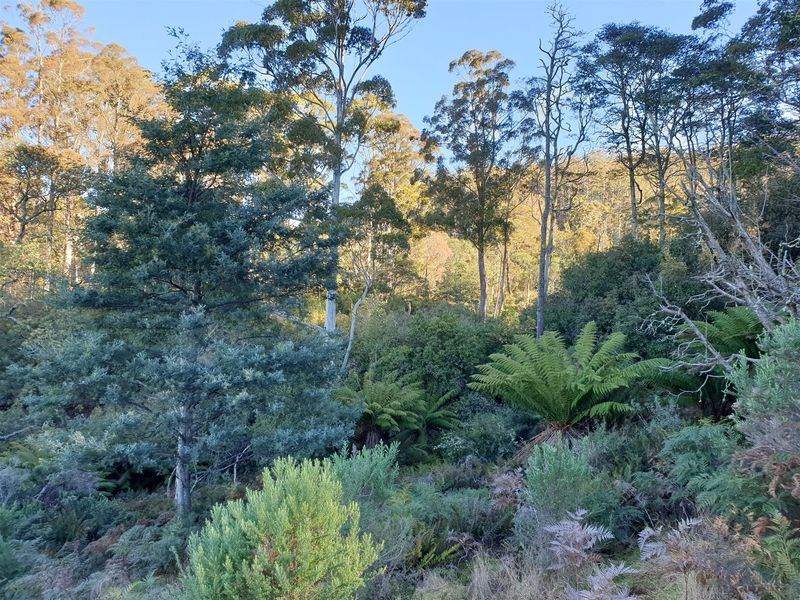
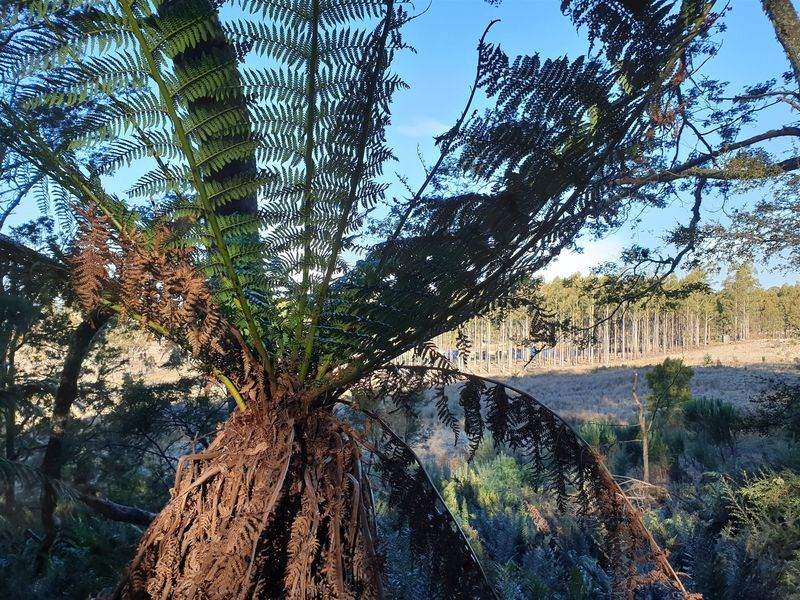
Along with the paddocks, there's still plenty of native bush and fern gullies tucked away on the farm.